Human Performance Intelligence
Stress showed up in the body up to 21 days before people reported it.
Buzzy turns continuous watch data into an early warning, before risks escalate.
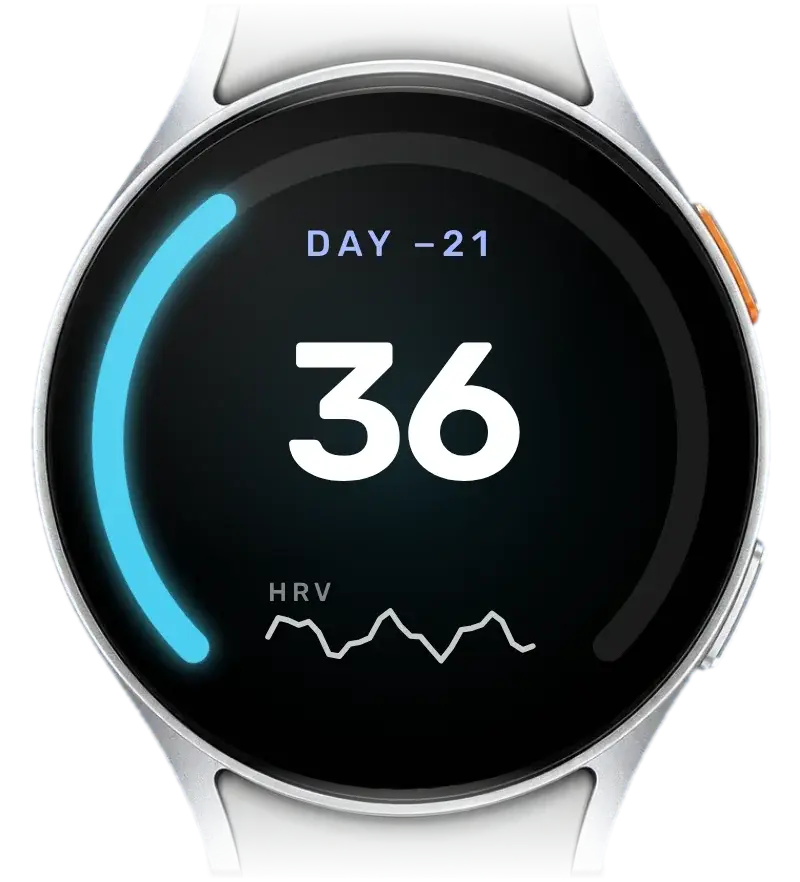
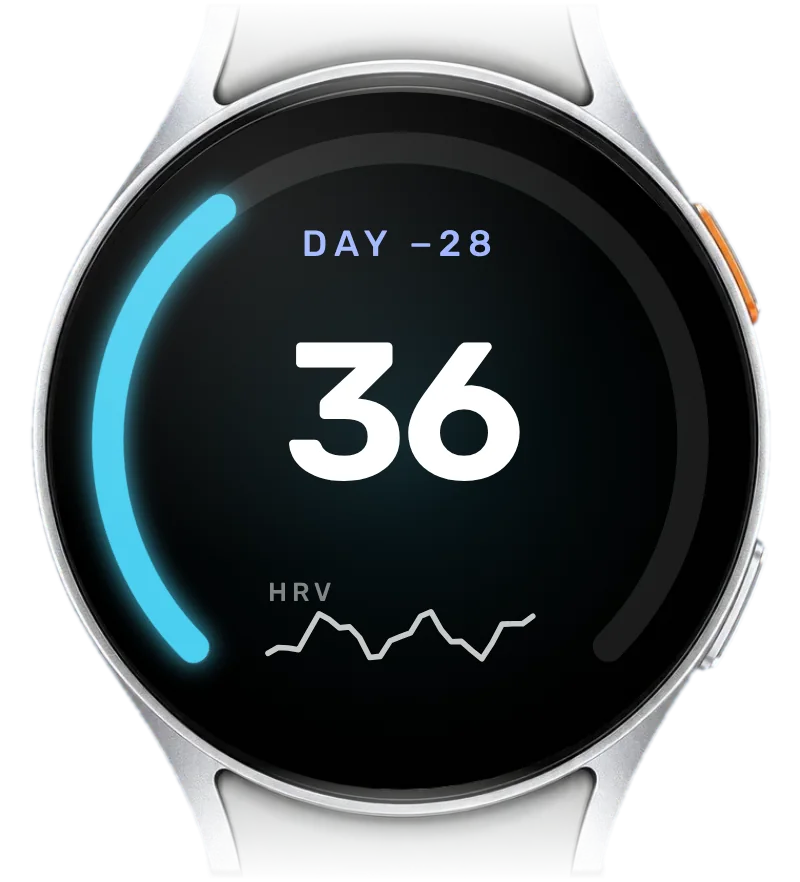
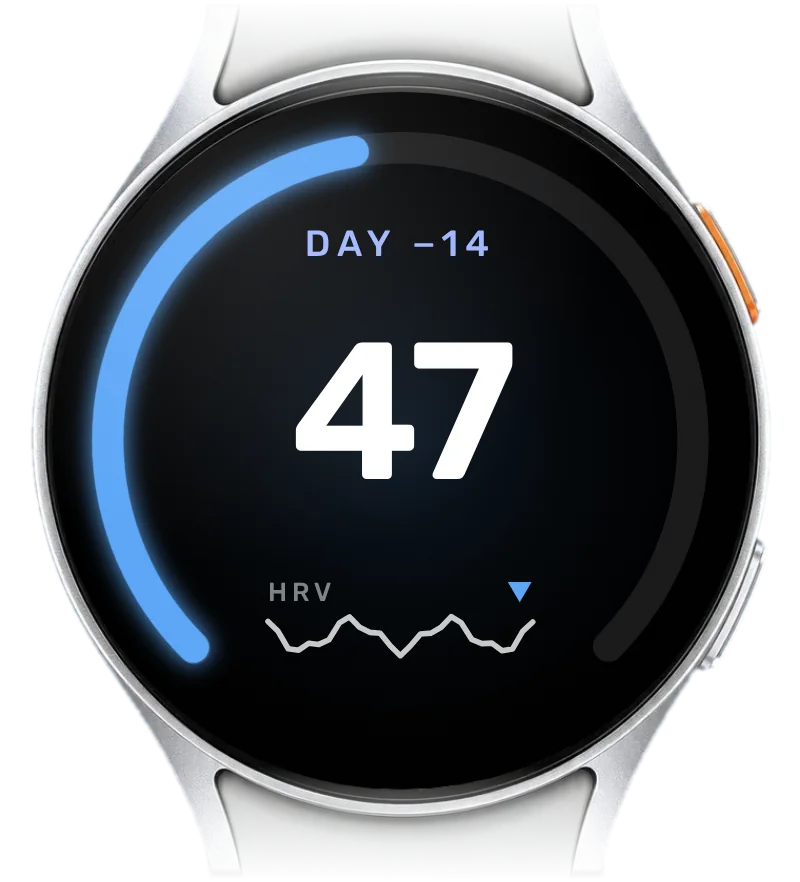
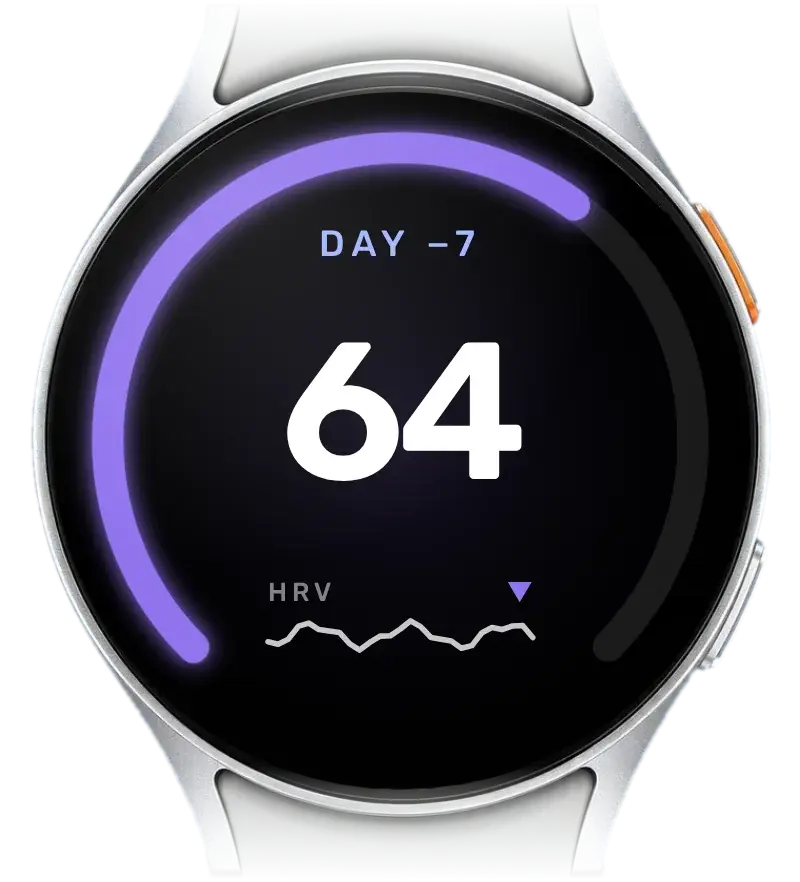
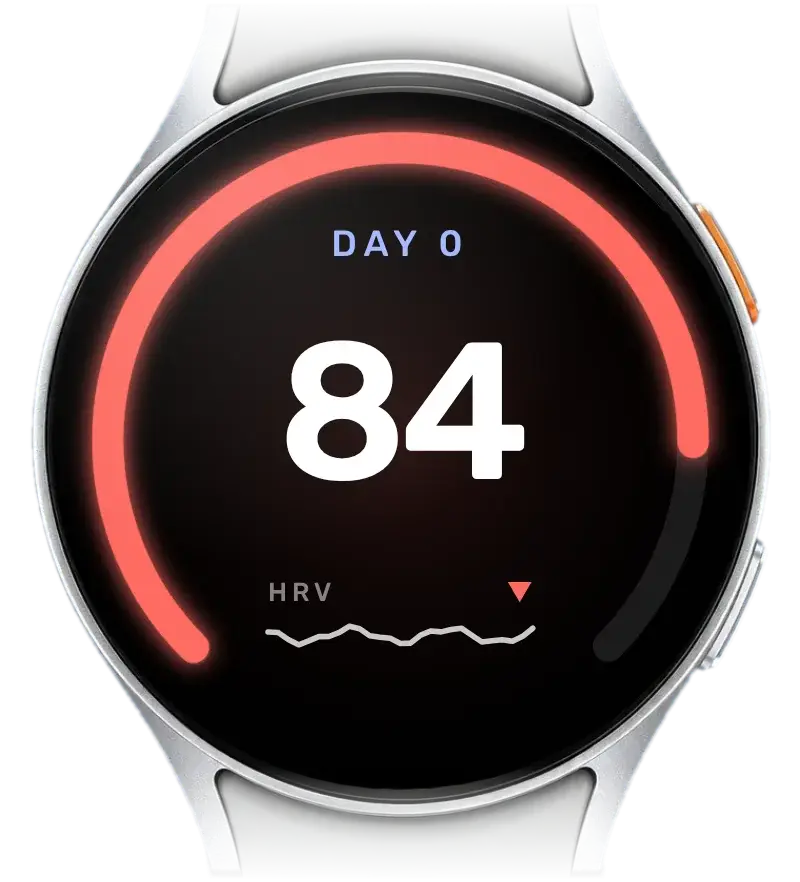
Day −21
HRV starts to shift
Day −7
Heart rate follows
Day 0
Stress reported
Buzzy’s proprietary AI transforms continuous physiological data into actionable early-warning intelligence. By learning each individual’s unique baseline and decoding complex patterns across multiple physiological signals, our technology identifies early signs of rising stress, mental overload, and declining readiness, enabling intervention before risks escalate.
~21 days
earlier than people report stress, in our 35-person study: when HRV starts to shift
4,000
monitored days in our own longitudinal study
25 Hz
raw signal depth from Buzzy Watch, far more detail than a daily score
IL · US
pilots in Israel and the U.S. in this field
The silent gap
By the time it is visible, it is already expensive.
Mental deterioration builds quietly. Today’s tools ask people how they feel, and the answer arrives after the hospitalization, the readmission, the critical failure.
The people who need help most are the least able to ask for it.
How Buzzy works
Sense. Predict. Act.
Sense
Continuous signals from Buzzy Watch, sampled at 25Hz.
Predict
Buzzy learns each person’s own baseline, with short check-ins built into the watch that label the data, and flags drift days to weeks before it is felt.
Act
A live map of every person, so the right person is reached on the right day.
What makes Buzzy different
The Human Body Knows First.
Buzzy is an AI company built around proprietary predictive technology that decodes the body’s earliest signals of stress, mental overload, and declining readiness. By combining continuous multi-sensor physiological data, personalized baselines, and advanced machine learning models, our technology distinguishes meaningful changes from everyday fluctuations and identifies complex patterns that traditional monitoring tools may overlook.
Our research demonstrated that physiological changes can emerge up to 21 days before individuals report experiencing stress. Buzzy transforms these early signals into actionable intelligence, enabling organizations to anticipate potential deterioration and intervene before it escalates.
Learns your normal
A personal baseline from a few days of data, helped by short check-ins on the watch that label the signal.
Forecasts, not reports
Predicts what is coming, from the next few hours to drift days or weeks ahead. For example, from a three-day baseline it can predict the next three hours.
Improves with every deployment
One platform, one dataset. Every deployment strengthens the clinical-grade model.
One platform, two engines
For the people who carry the most.

Health & Rehab
See deterioration before the next appointment.
A clinical dashboard that shows who is stable, drifting or at risk between visits.
Explore Health & Rehab →
Defense & First Responders
Every system is monitored.
Except the human.
Human Performance Intelligence for operators and critical manufacturing, days before performance degrades.
Explore Defense →Proof
Tested in a study, then observed during missile alerts.
HRV began shifting up to ~21 days before people reported stress.
35
participants
6 months
continuous monitoring
~4,000
monitored days
June 2025 + March 2026
missile alerts
 Read the science →
A story about the weeks before
She said she was fine. Her body had been saying otherwise for three weeks.
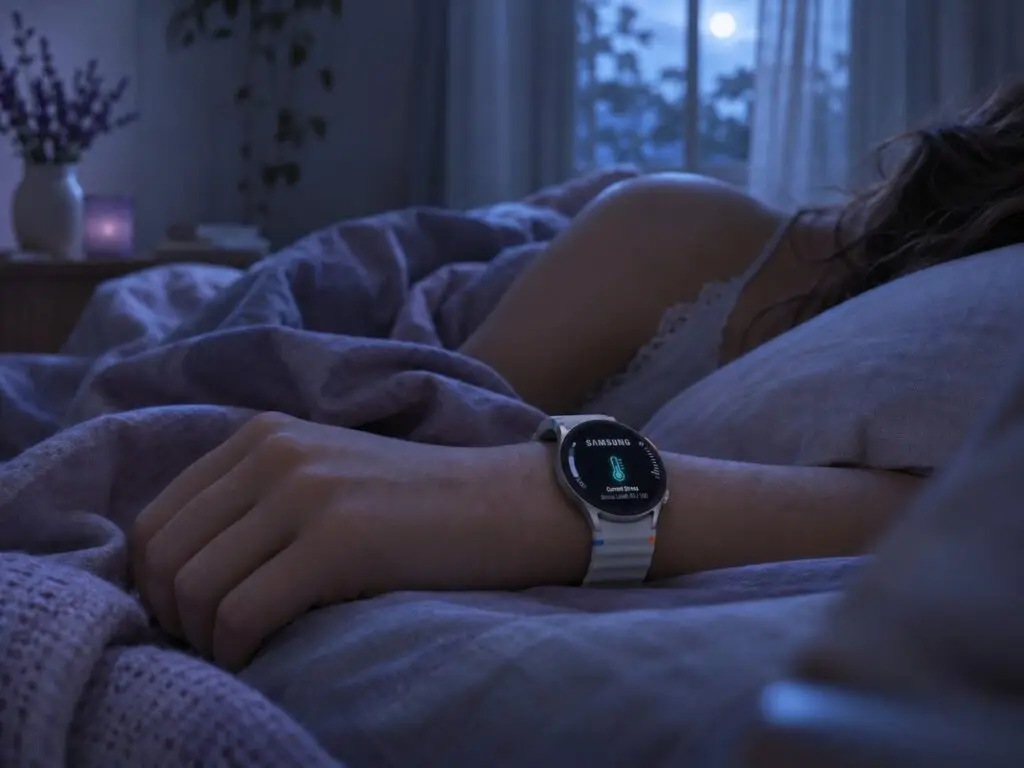
Three weeks earlier
Nobody notices.
Her sleep gets a little lighter. Her watch notices. Her HRV starts to shift.

One week earlier
She cancels dinner. Twice.
“Just tired.” Her resting heart rate creeps up. Still nobody connects it.

Day zero
Now she says it out loud.
By now there is an appointment, a referral, sometimes an emergency room.
What if someone had known?
Buzzy flags it on day −21.
It learns each person’s own normal, notices the drift, and tells the right person on the right day.
Questions
Good questions. Straight answers.
What is Buzzy?
A prediction platform that turns the smartwatch into an early-warning system for stress and fatigue. It reads continuous physiological signals, learns each person’s own baseline, with short check-ins built into the watch that help label the data, and flags drift days to weeks before the person feels it.
Why 21 days?
Heart-rate variability reflects how the body regulates stress. In our six-month study of 35 participants (~4,000 monitored days), it began to shift up to about 21 days before people reported stress, and heart rate shifted about a week before.
Do we need special hardware?
No. Buzzy runs on a standard smartwatch today. Next, it will run as software only on people’s own devices, with nothing to ship.
Does Buzzy diagnose?
Buzzy flags change from a person’s own baseline so that a human can act early. It does not diagnose. [Final regulatory wording to be confirmed.]
Who is using it today?
Pilots are running in Israel and the U.S. in healthcare and rehabilitation. In defense, there is an active evaluation in Israel on readiness monitoring for UAV operators.
How is our data protected?
Buzzy is designed for the demanding security and privacy requirements of healthcare and defense environments, where sensitive physiological data must be handled with care. Data hosting, encryption, access permissions, consent processes, and regulatory requirements are addressed according to each organization’s security and operational needs.
How is Buzzy priced?
Healthcare customers subscribe per monitored-patient package. Defense customers pay once per system. A family app is available as an add-on per member. [Public wording to be confirmed.]
How do we start?
Book a 30-minute demo. If it fits your workflow, we scope a pilot together.
Predict before it breaks.
Bring a team and a question. In 30 minutes we will walk through Buzzy on a workflow like yours.
Book a demo